AKÇADAĞ MASTERPLAN
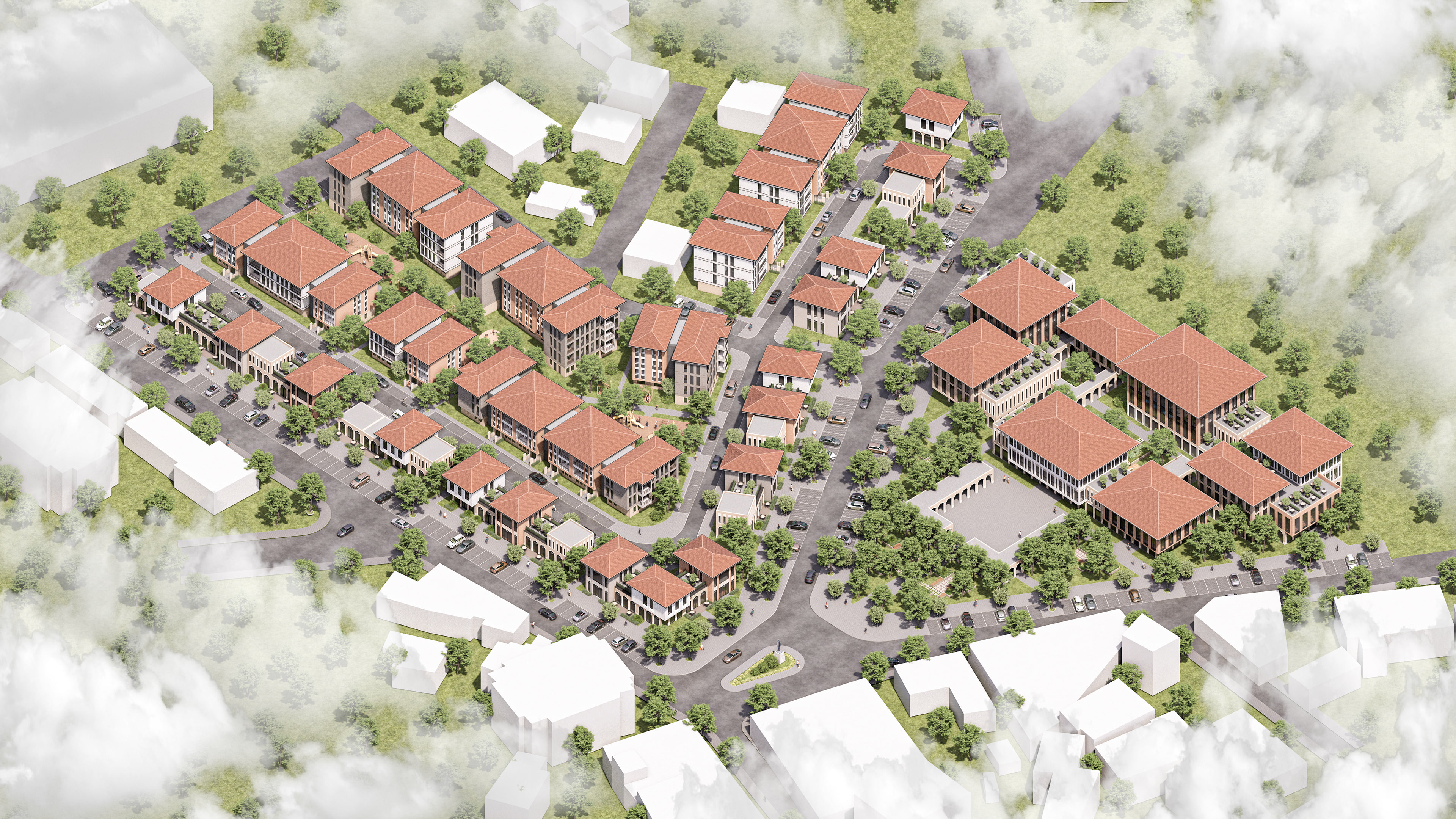
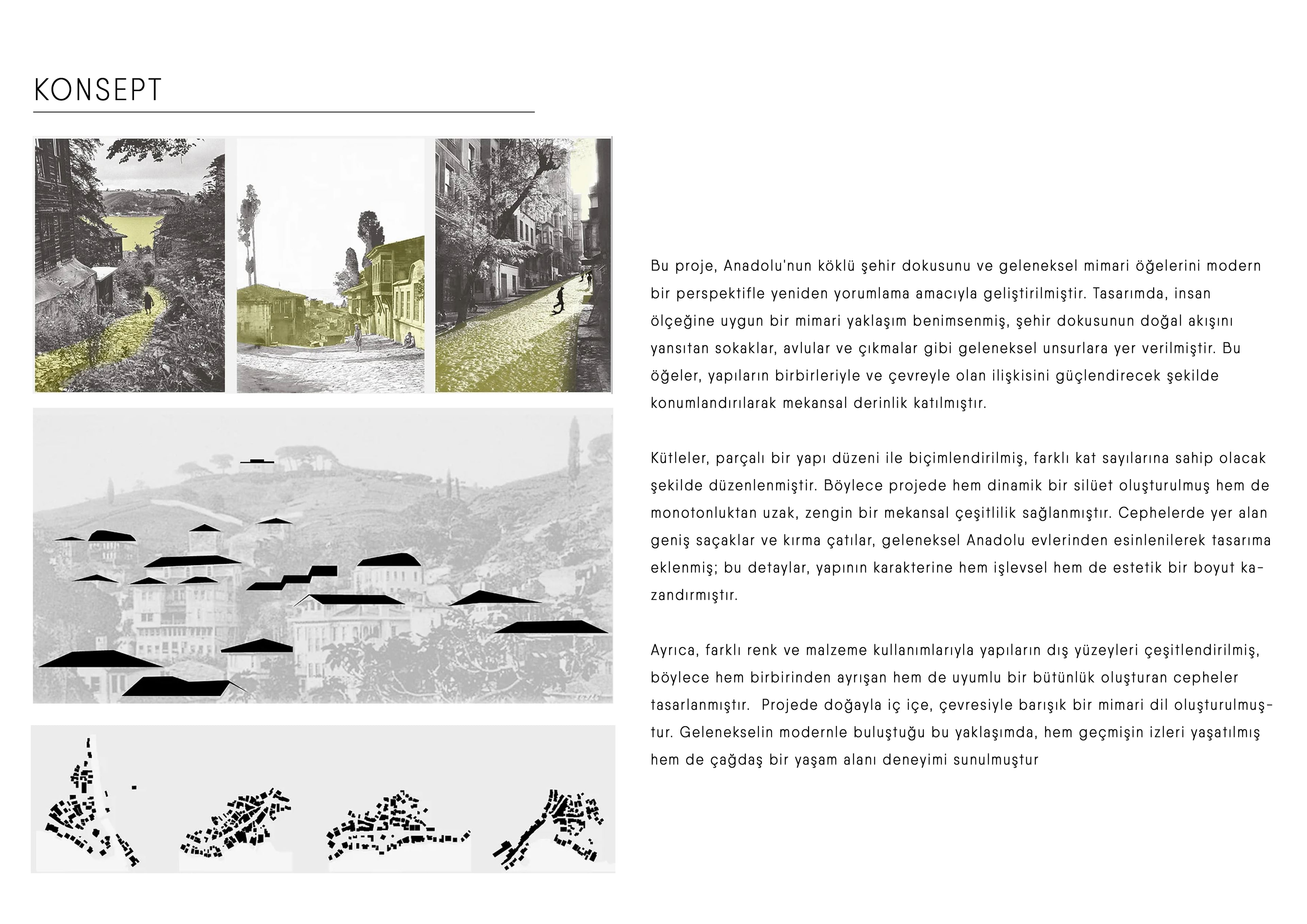
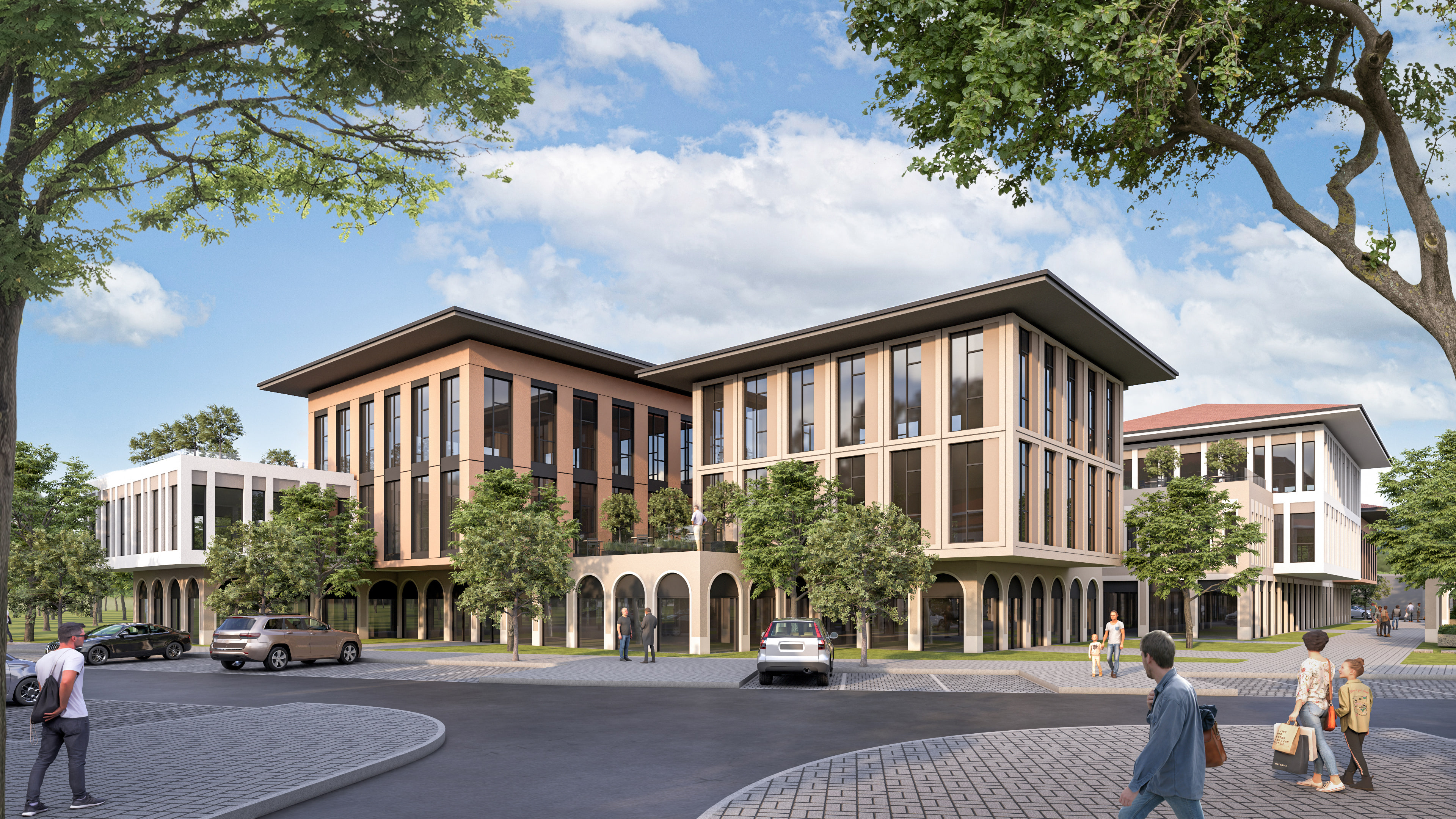
Developed in response to the 2023 earthquake in the Akçadağ district of Malatya, this residential project approaches post-disaster reconstruction not merely as a housing necessity, but as an opportunity to revive urban memory and neighborhood culture. By reinterpreting Anatolia’s deep-rooted urban heritage through a modern lens, the project aims to offer a secure, aesthetically significant, and human-scale living environment. The core of the design is built upon the contemporary reimagining of traditional architectural elements such as streets, courtyards, and overhangs.
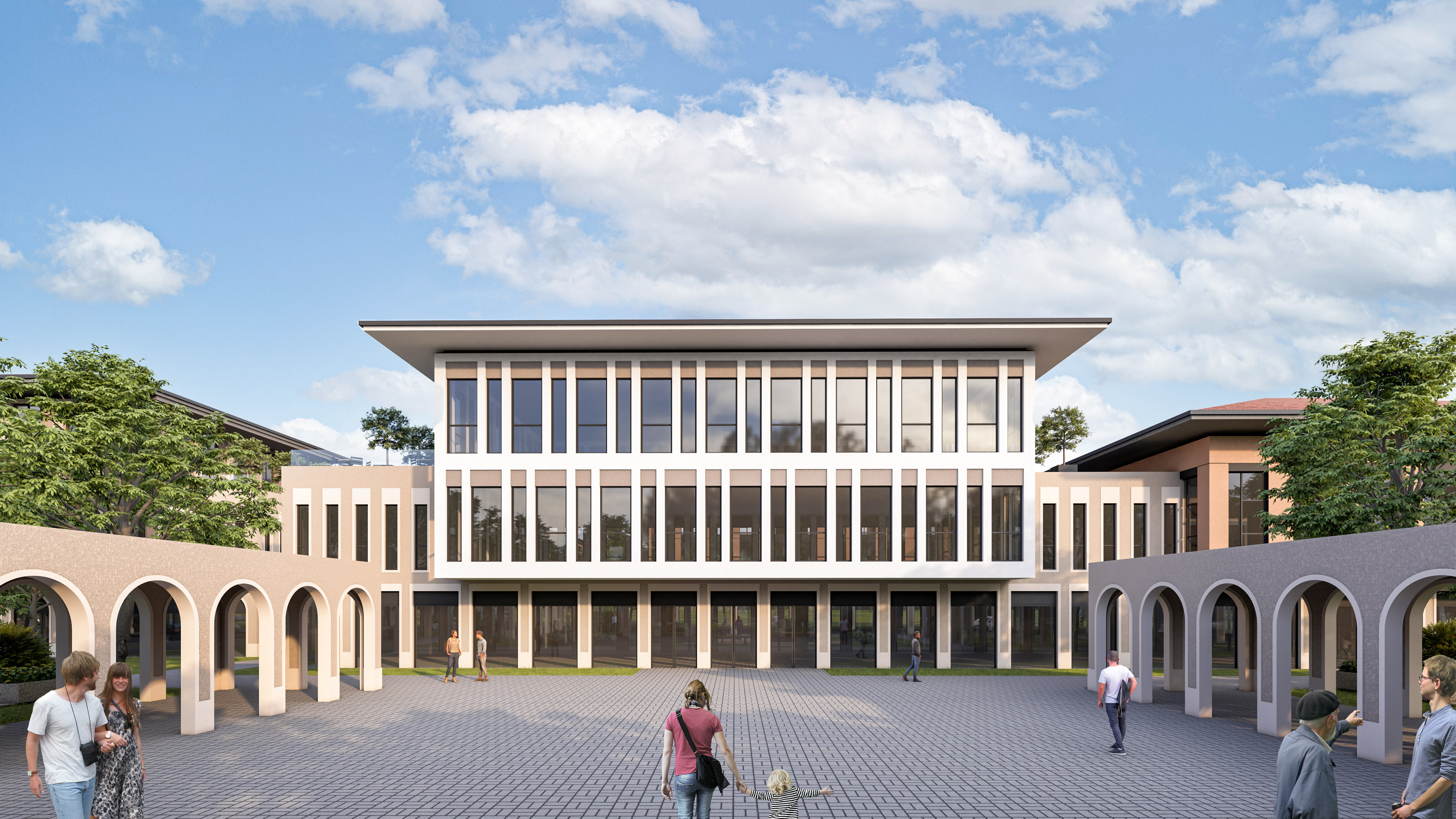
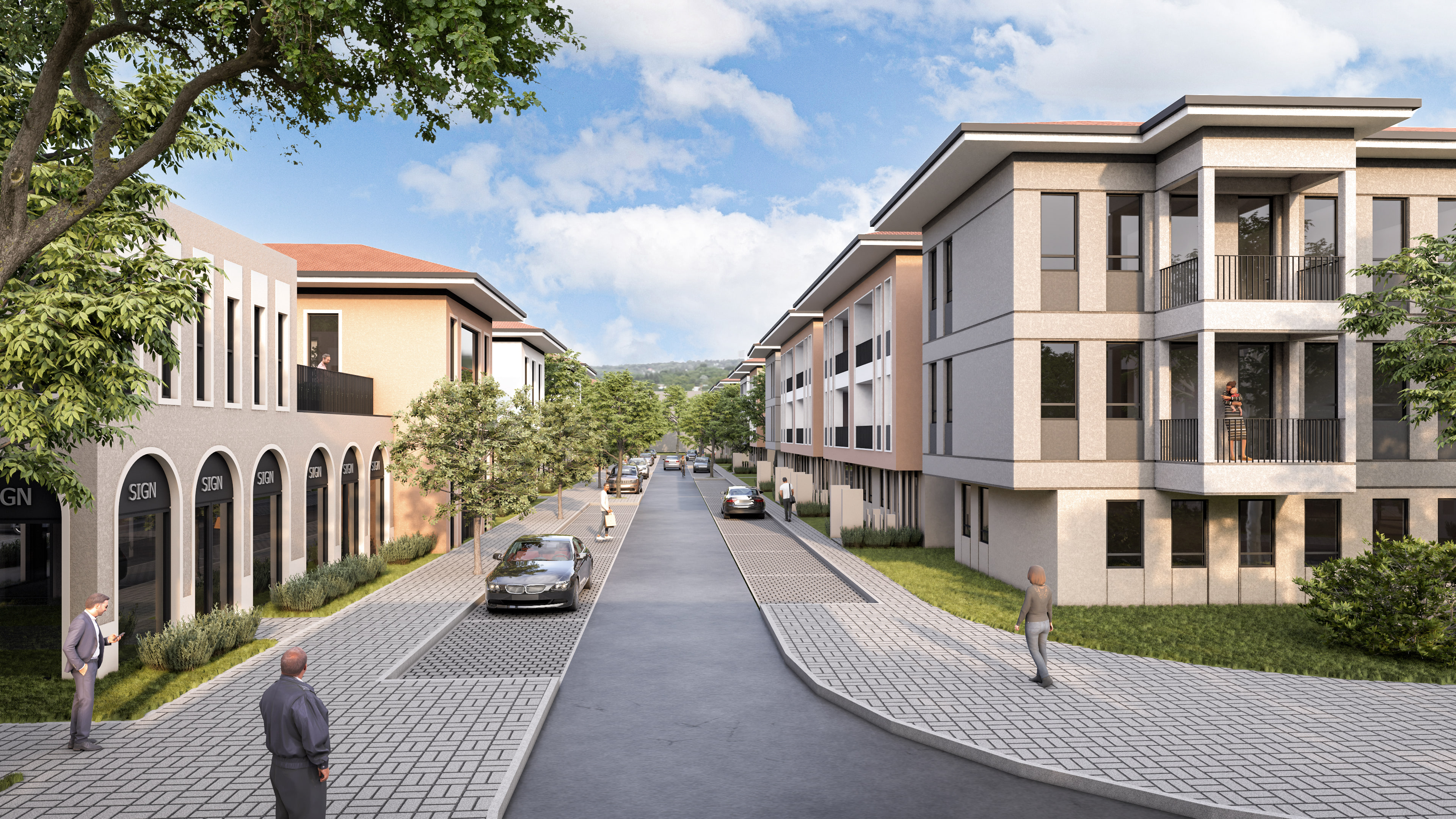
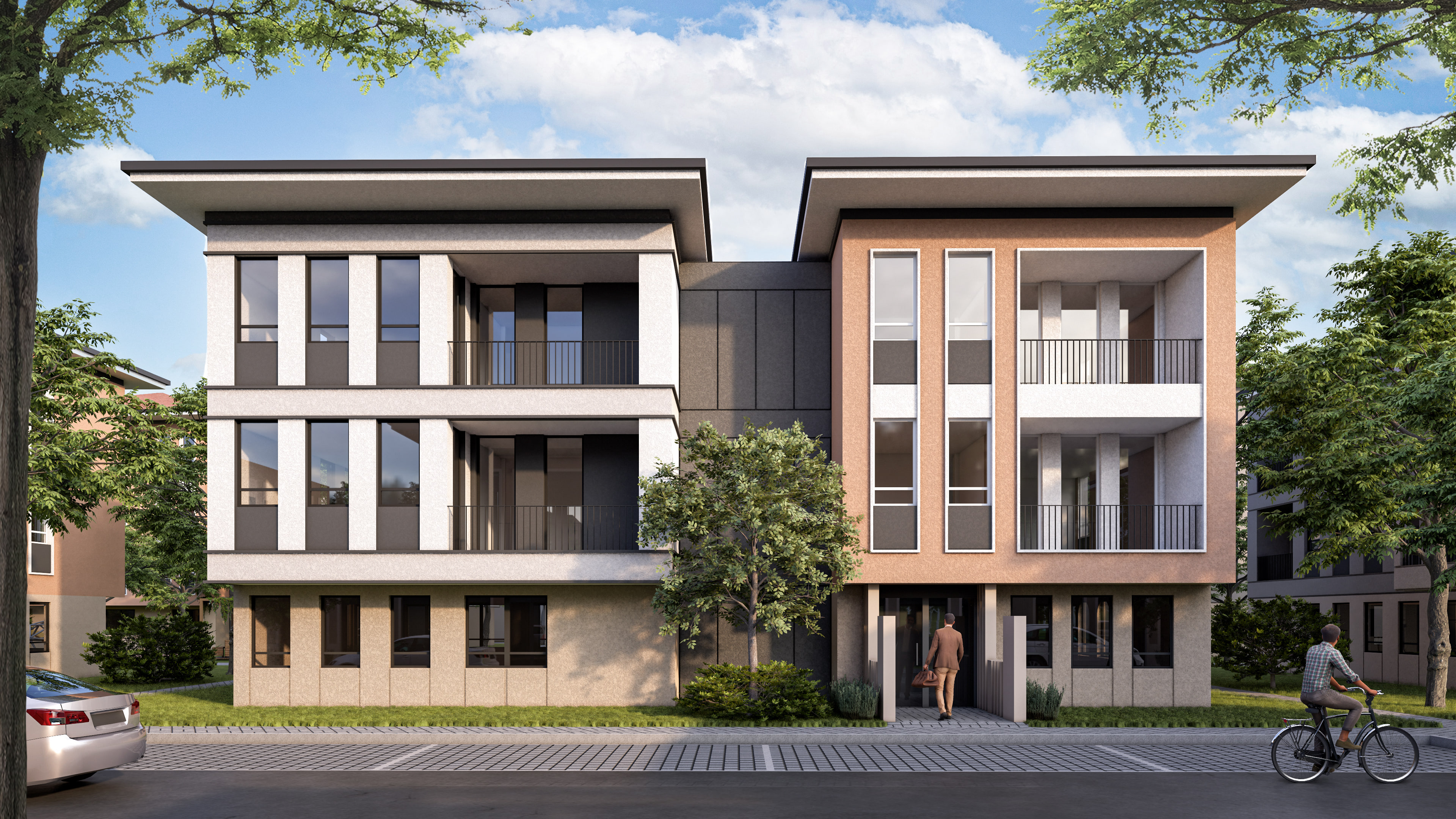
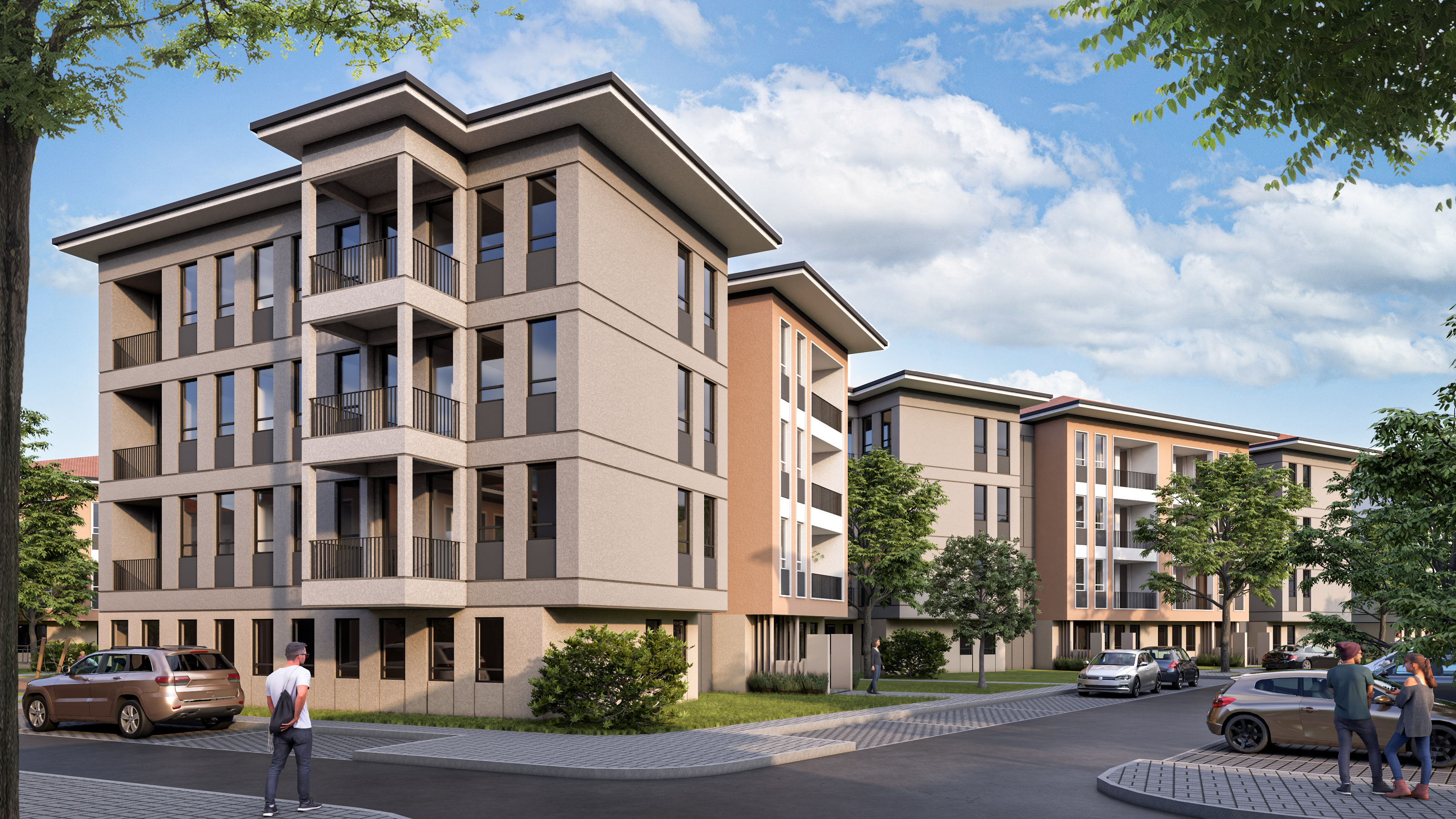
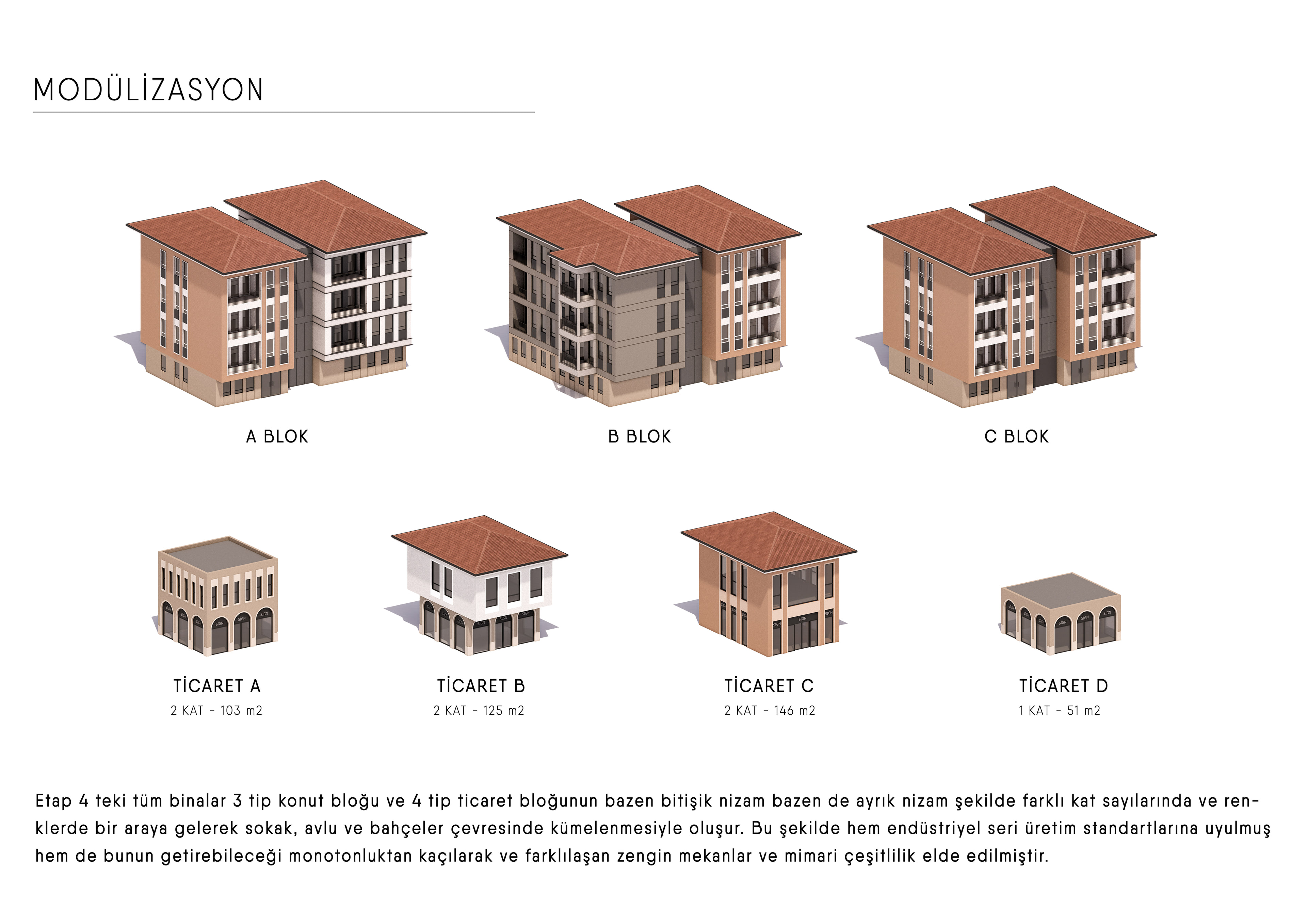
The fragmented mass composition and varying building heights adopted in the layout create a dynamic rhythm in the urban skyline while avoiding monotony. Inspired by traditional Anatolian residential architecture, the wide eaves and hipped roof systems provide functional solutions to local climatic conditions while strengthening the project’s aesthetic character. The diverse choice of colors and materials on the facades grants each building a unique identity, while the overall visual harmony creates an urban interface consistent with Akçadağ’s historical depth.
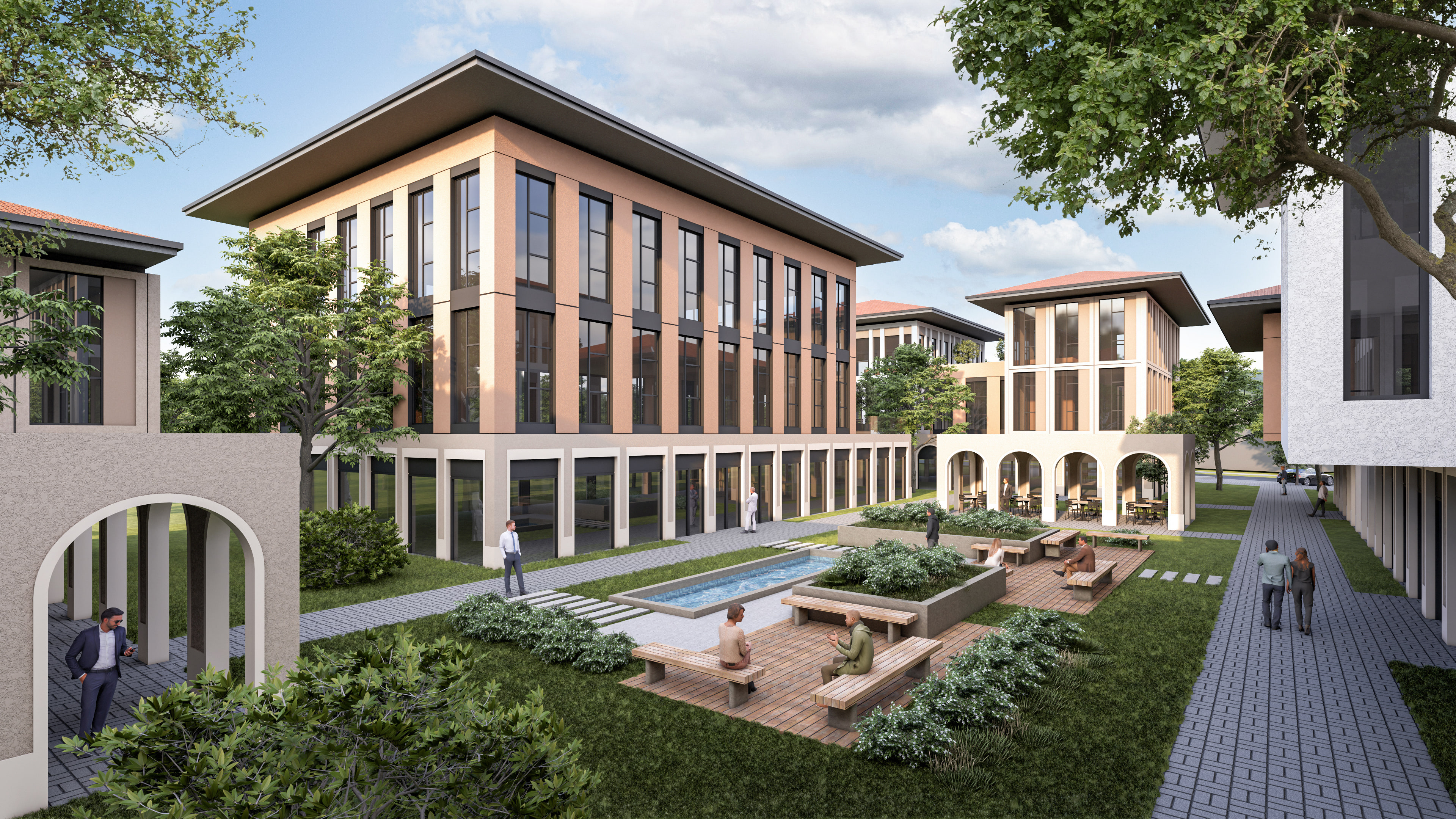
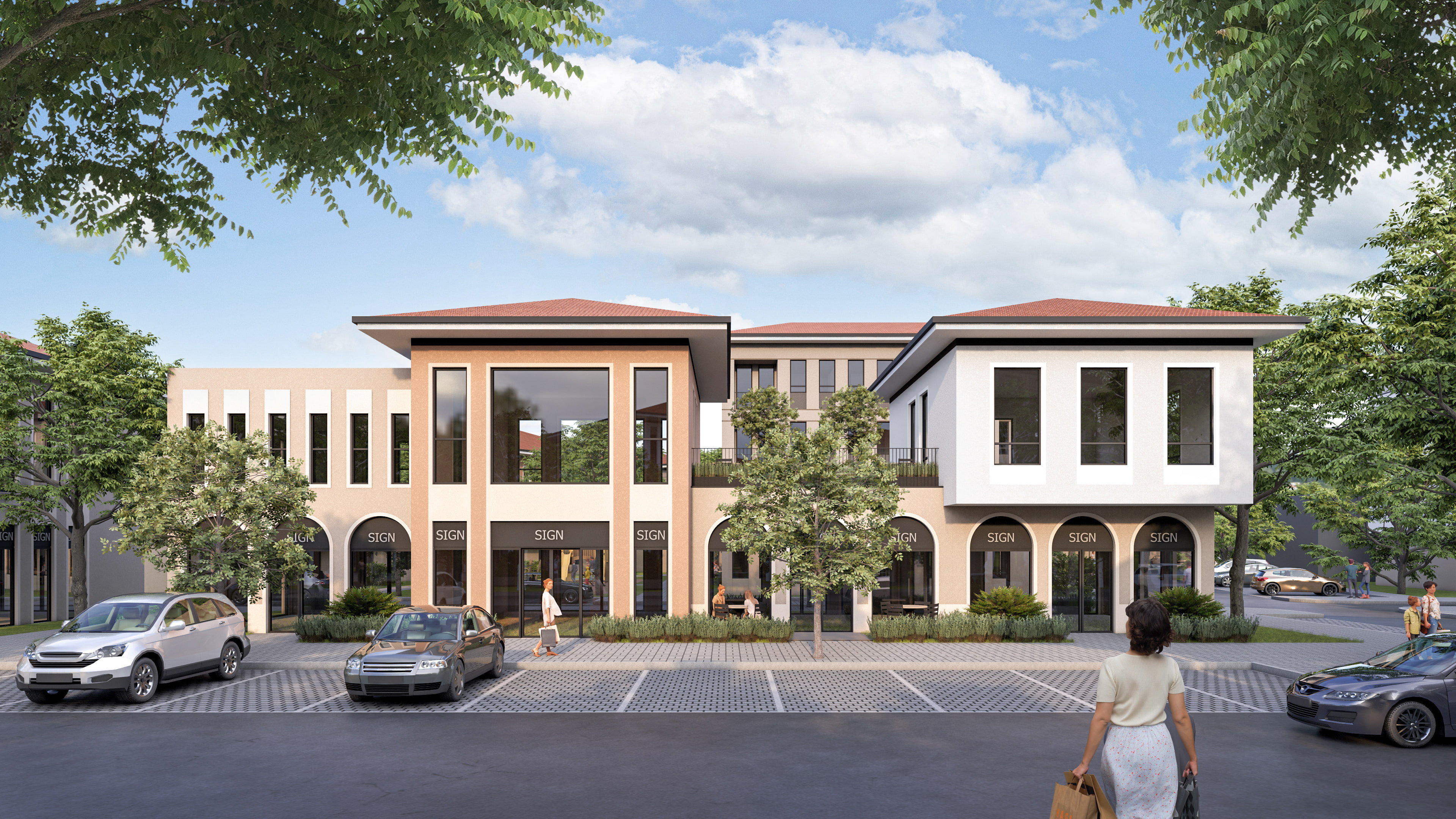
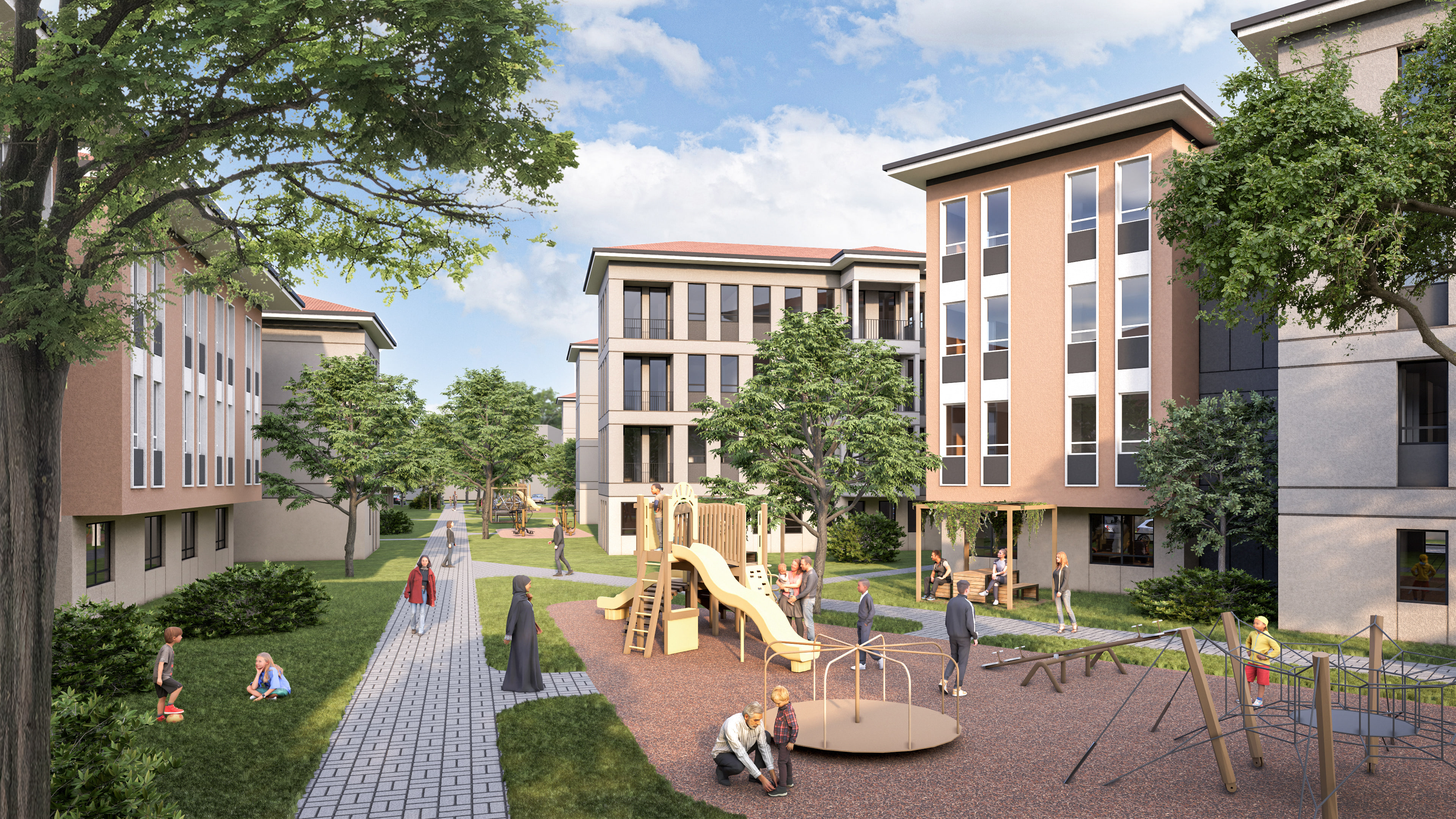
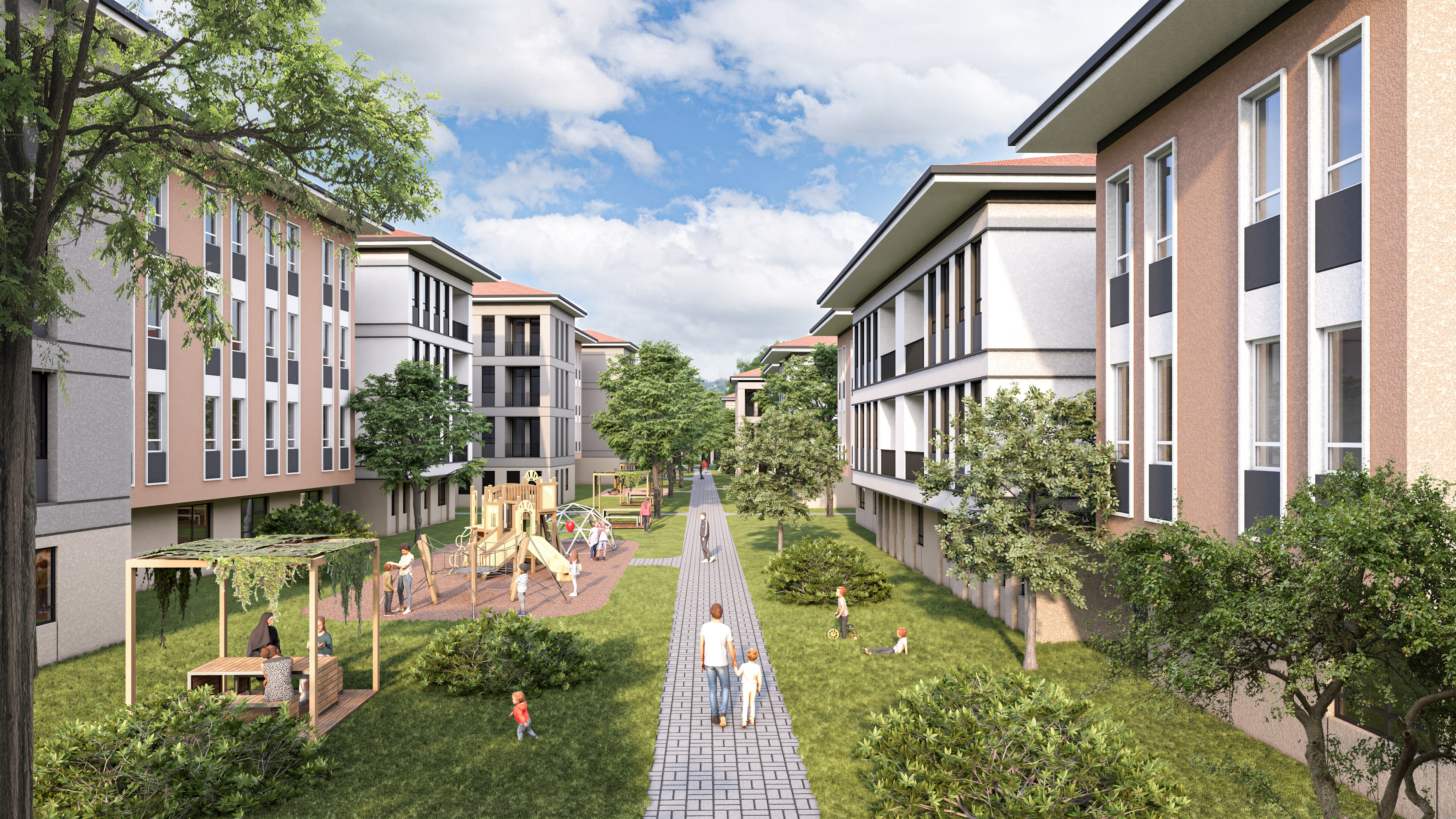
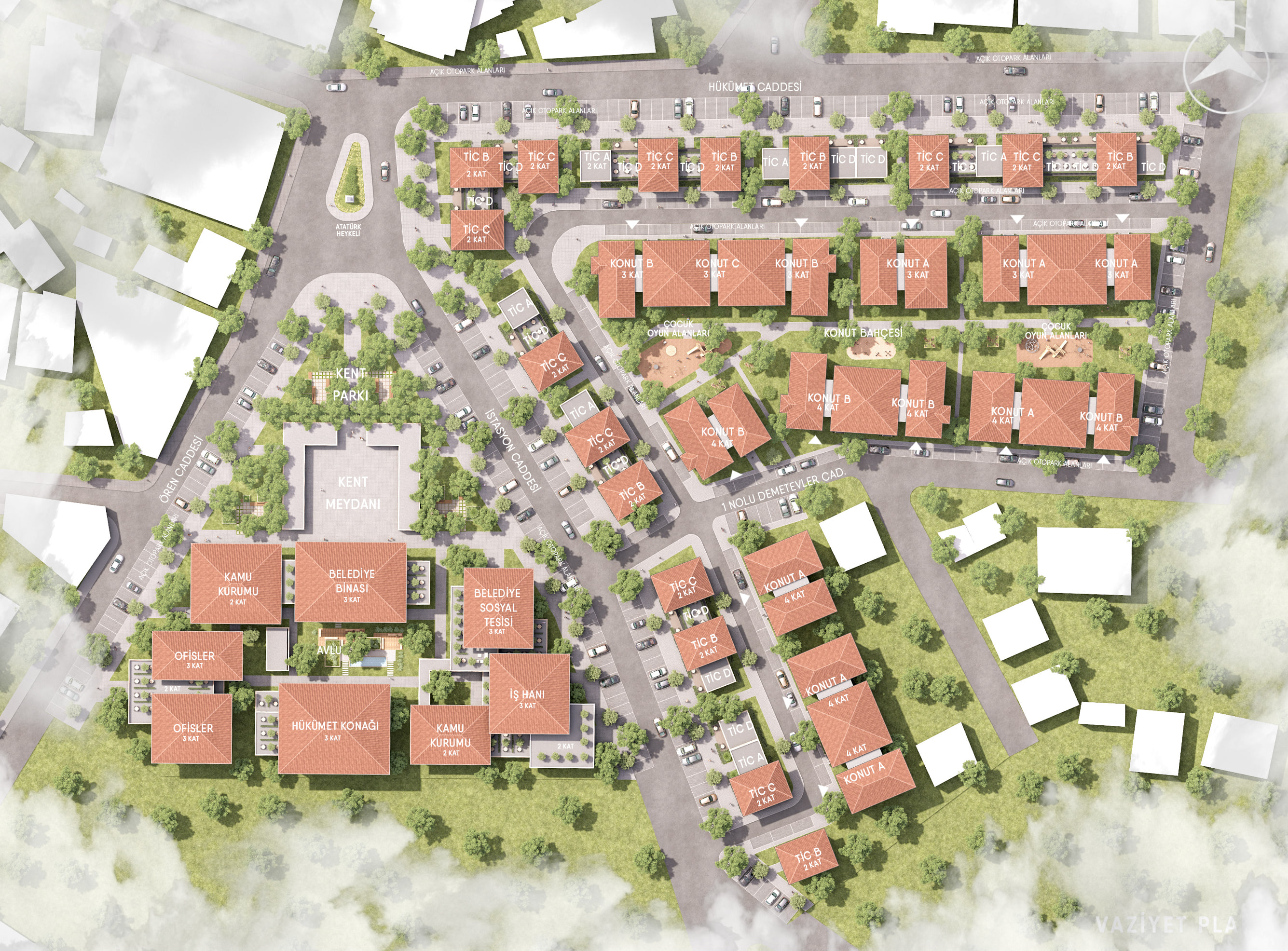
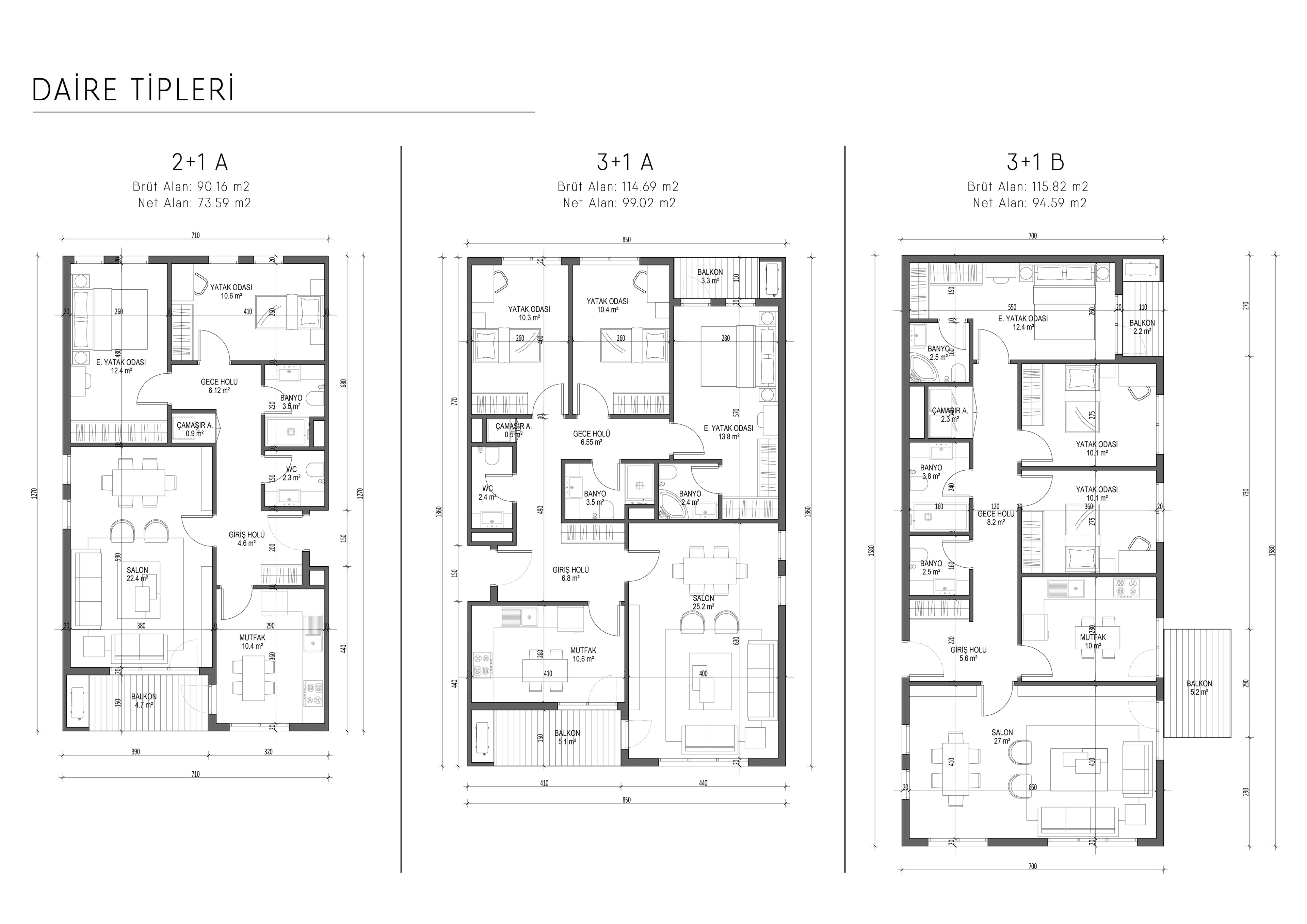
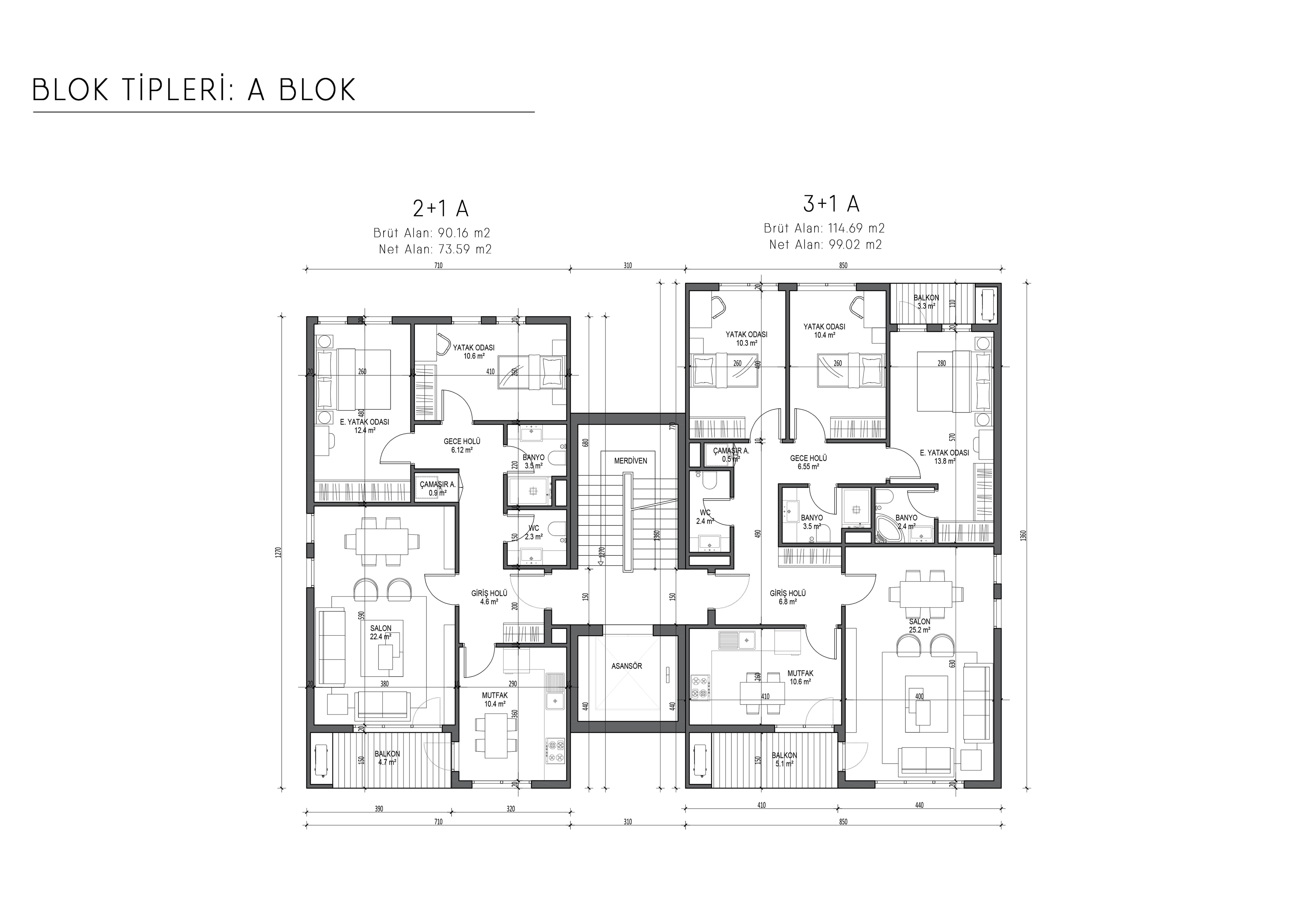
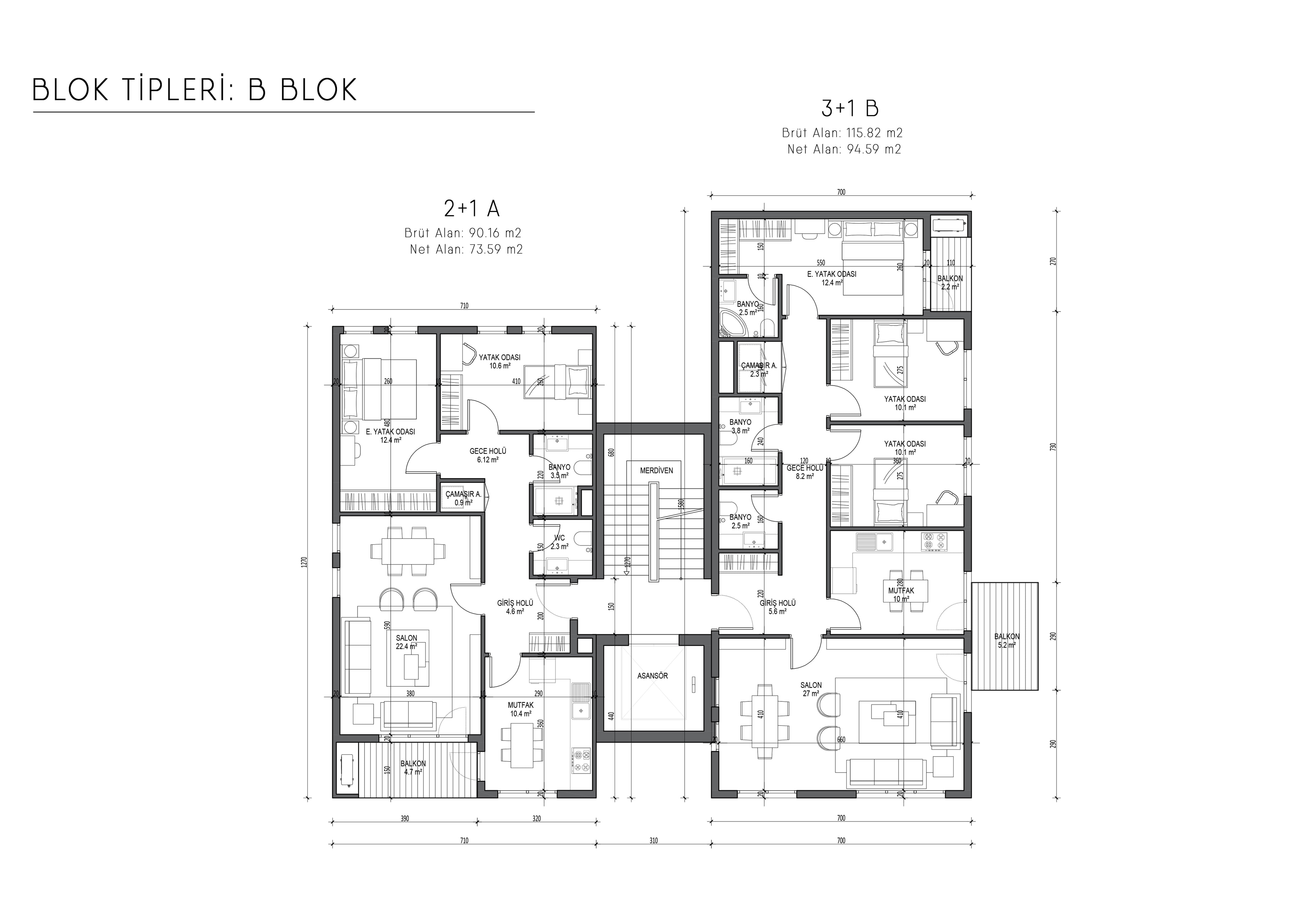
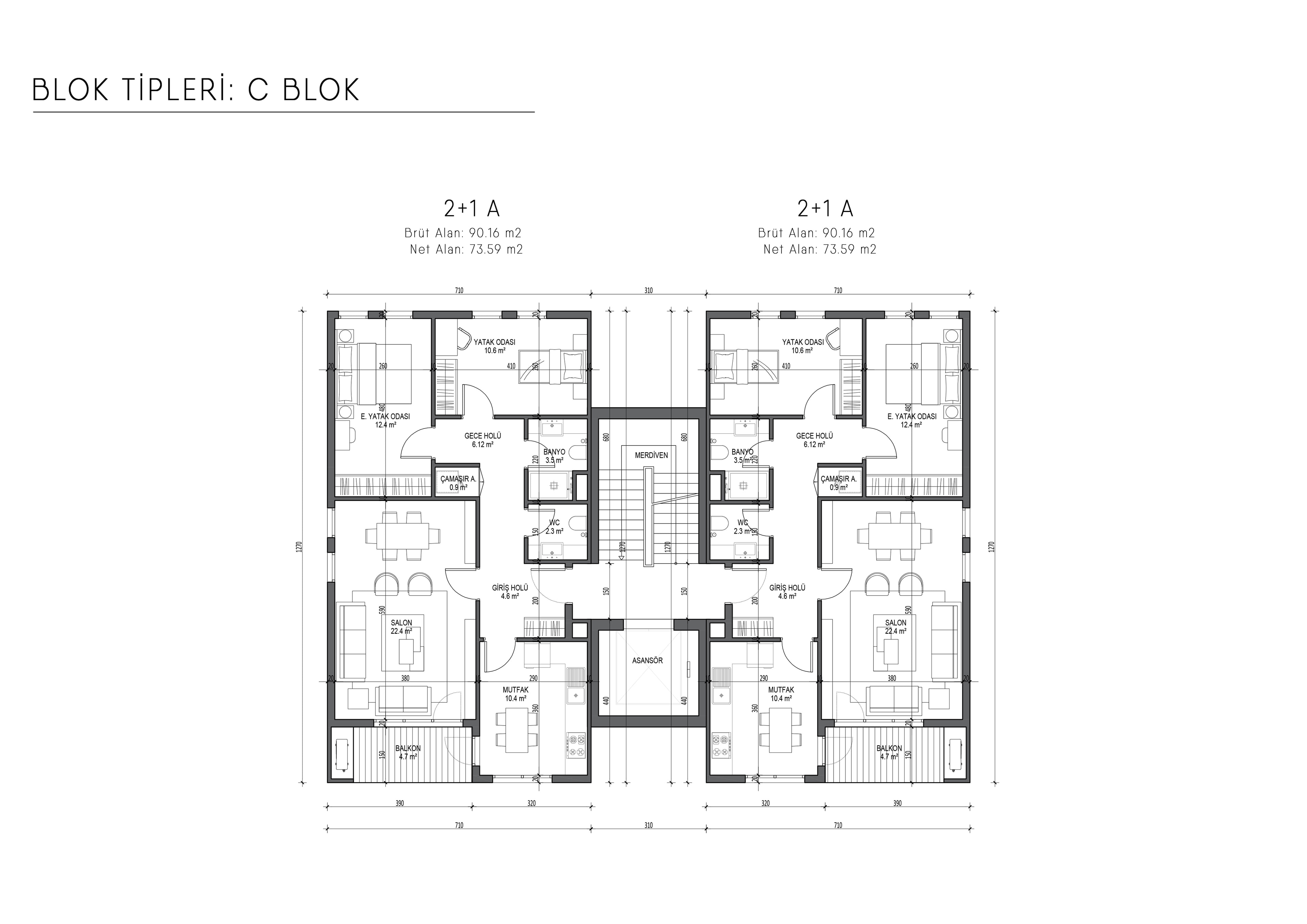
The project is organized around green areas, inner courtyards, and commercial axes that prioritize pedestrian movement and encourage social interaction. The diversification of various residential and commercial typologies within a modular system provides a rich spatial experience across the settlement. Arcaded commercial units foster a modern bazaar culture, while ground-floor social facilities support communal neighborhood life. The Akçadağ Settlement Project presents a resilient, human-centered urban model that bridges the cultural traces of the past with the sustainable living standards of the future.