UK HOUSE
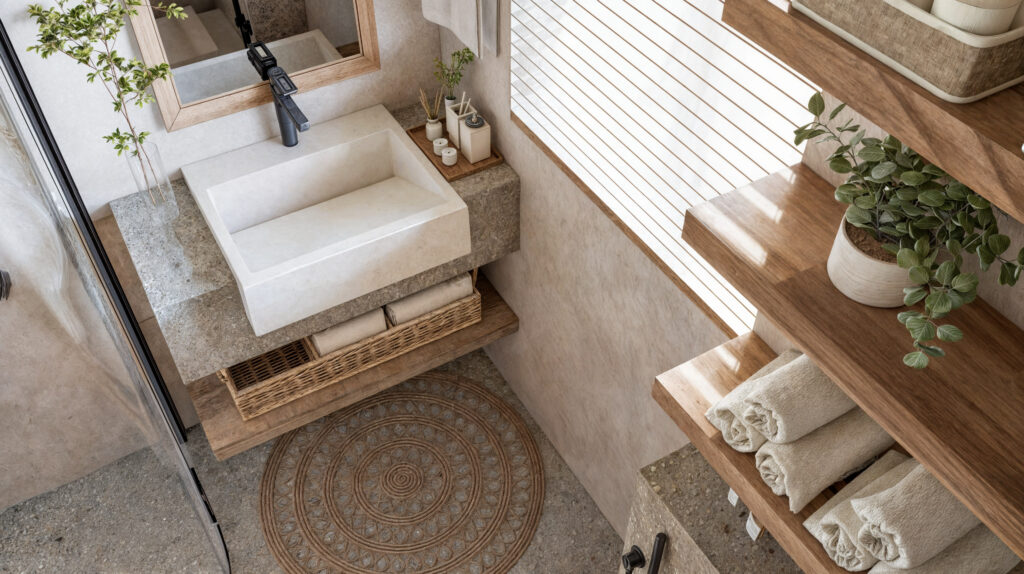
Developed within London’s characteristic yet constrained housing stock, this interior design project presents a refined model of how high-quality and functional living environments can be constructed in small-scale areas. The design treats the spatial limitations of urban density not as obstacles, but as data for creative solutions. The minimalist architectural language prevalent throughout the two-storey structure, combined with the natural texture of materials and functional planning strategies, aims to create a calm and multi-layered sense of “home” within the urban hustle.
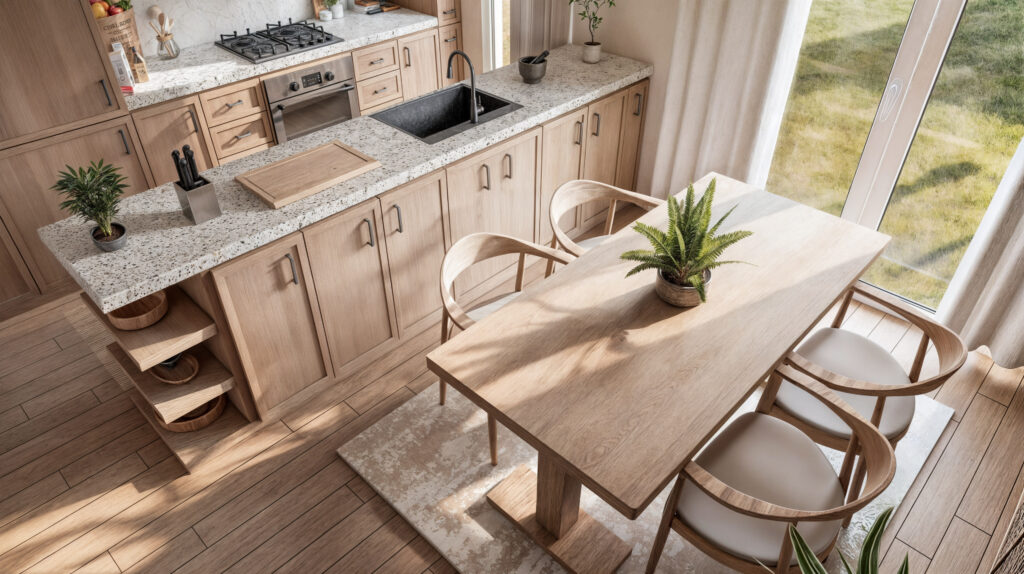
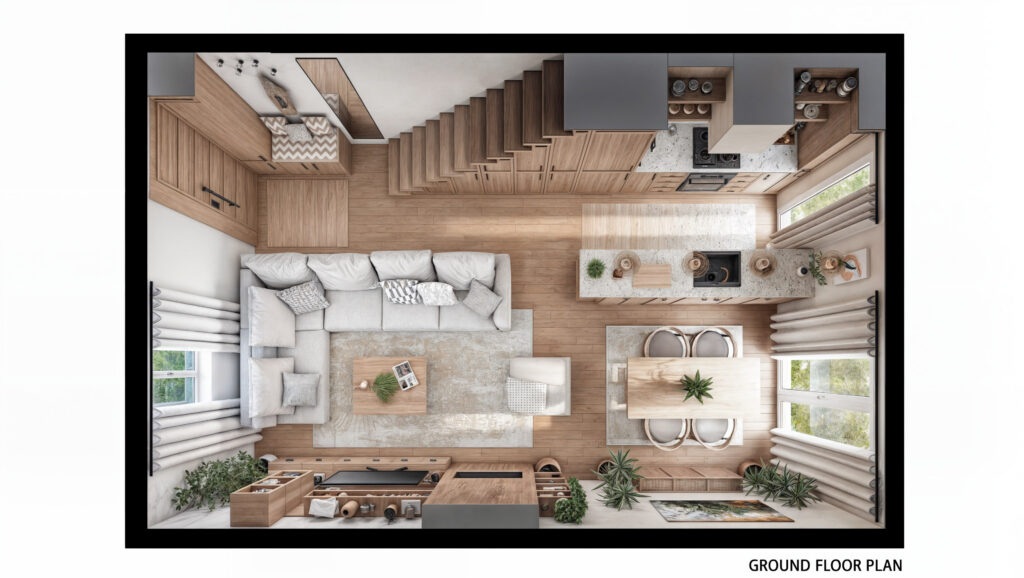
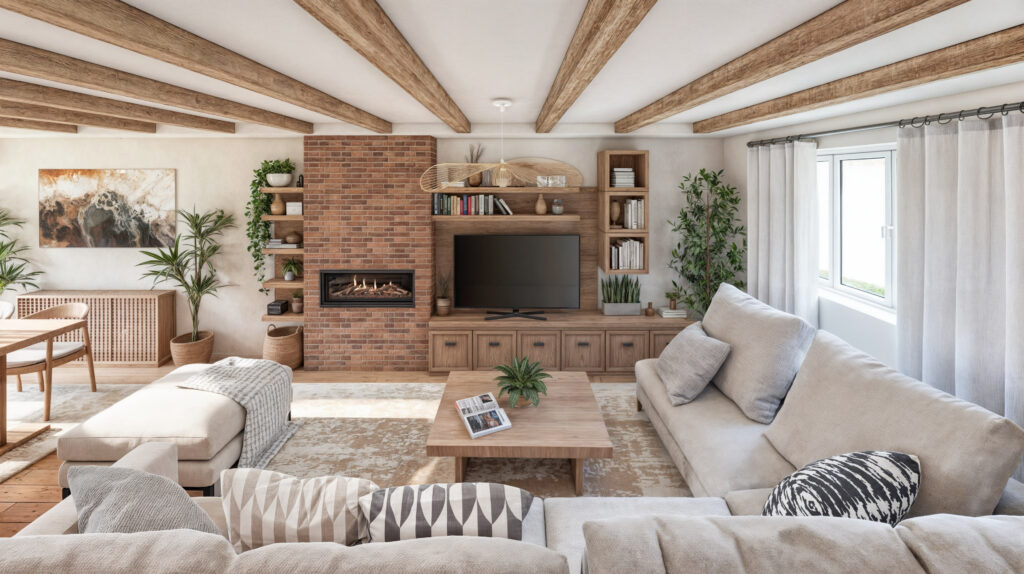
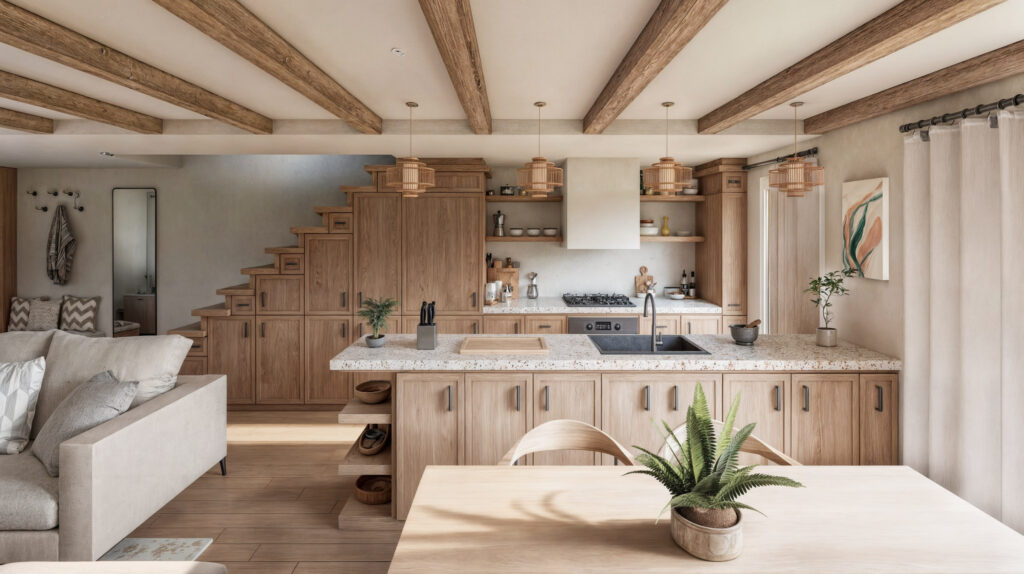
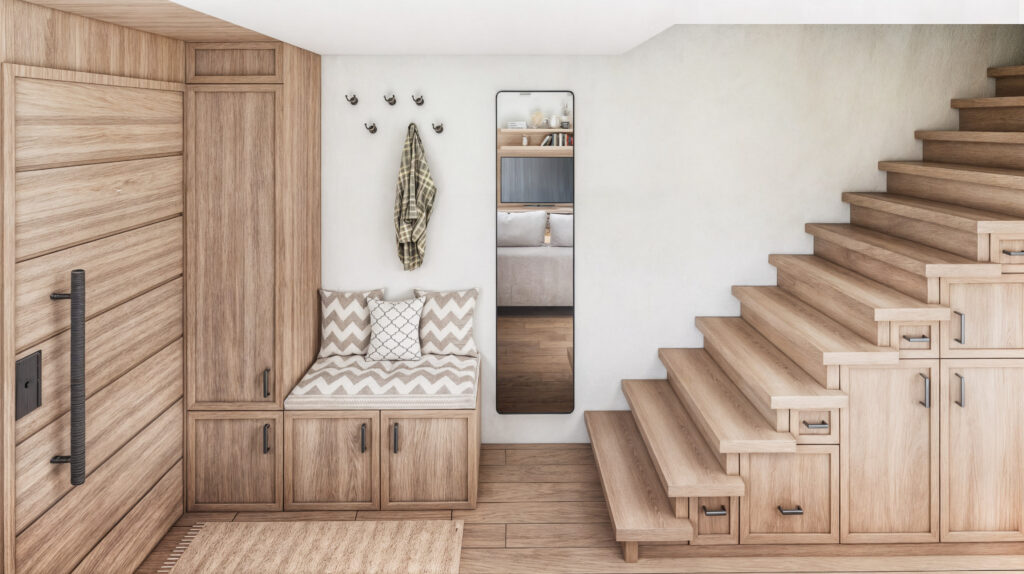
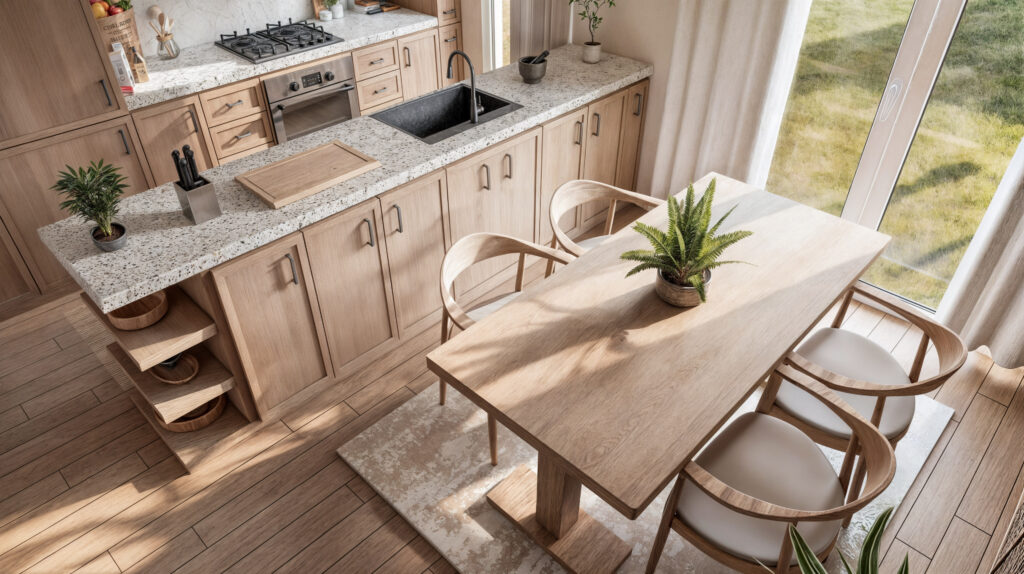
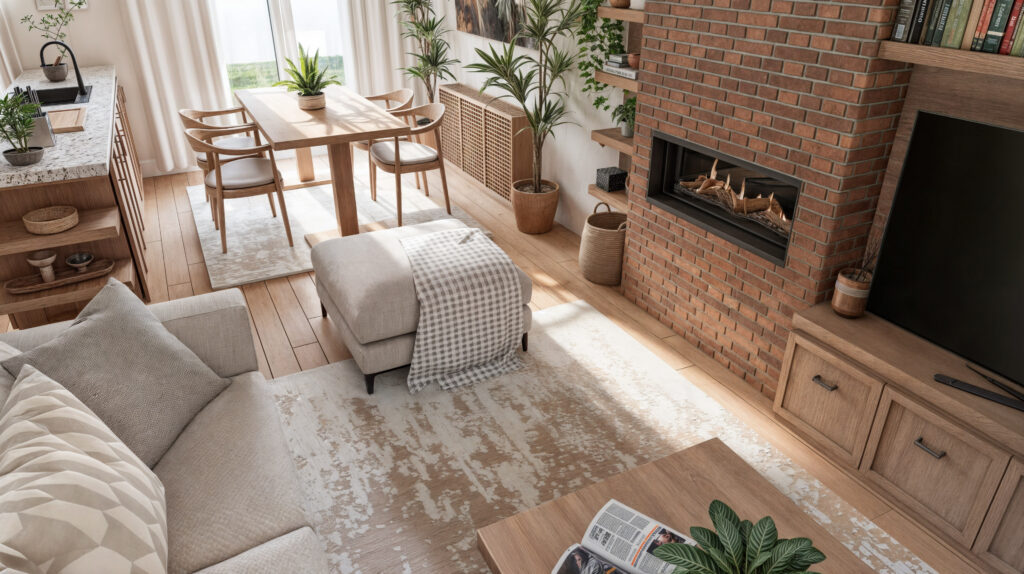
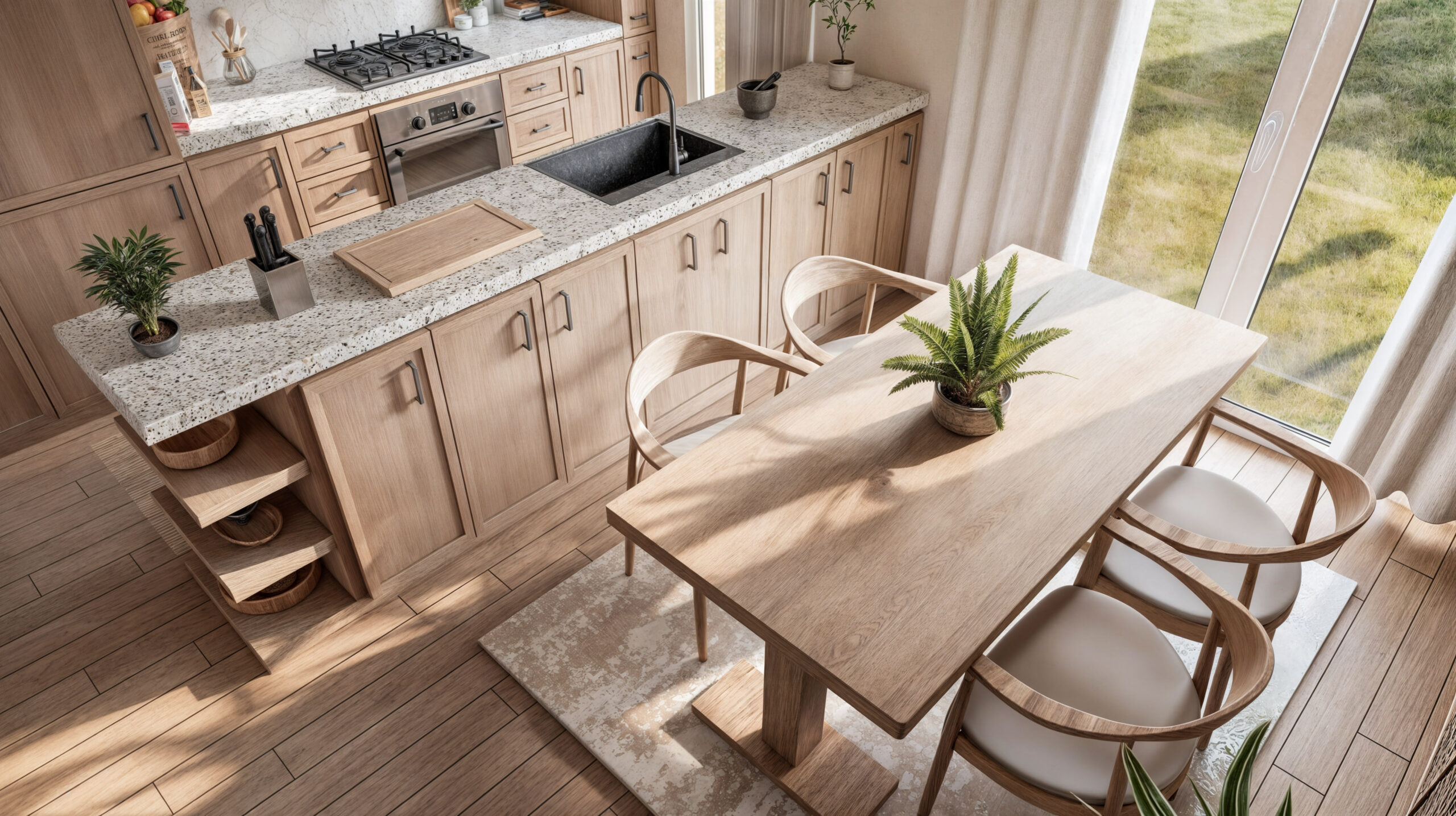
The planimetric organization of the ground floor is shaped around an open scheme that prioritizes social interaction. In this integrated design where the living area, dining corner, and kitchen merge into a single volume, the boundaries between spaces are blurred through material continuity and visual axes. Smart storage units designed beneath the stair core maximize the spatial efficiency required for compact living, while large window openings push natural light deep into the space, reinforcing the perception of spaciousness. The dialogue between light oak surfaces and natural textile products supports the warmth and intimacy of the social atmosphere on the ground floor.
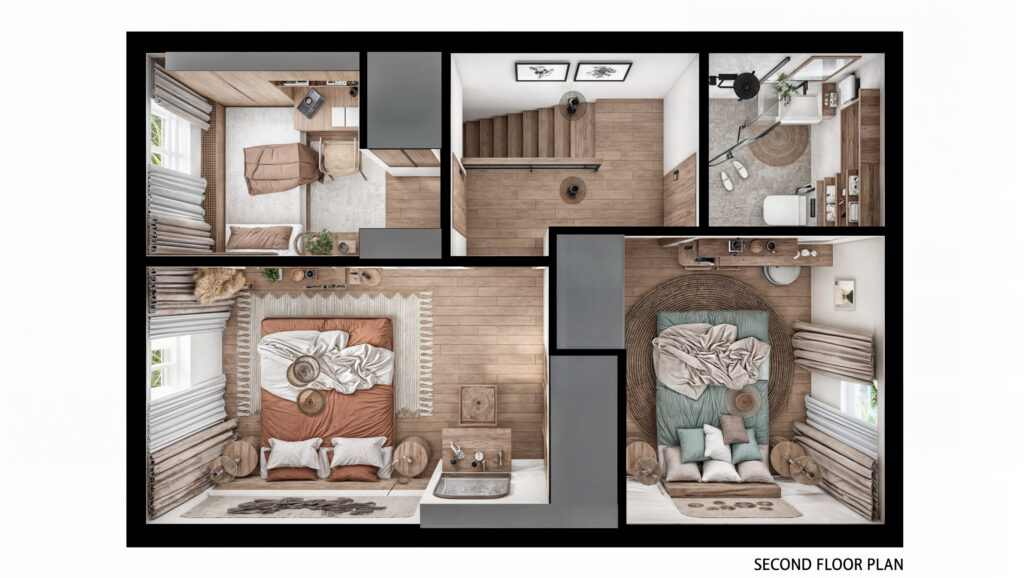
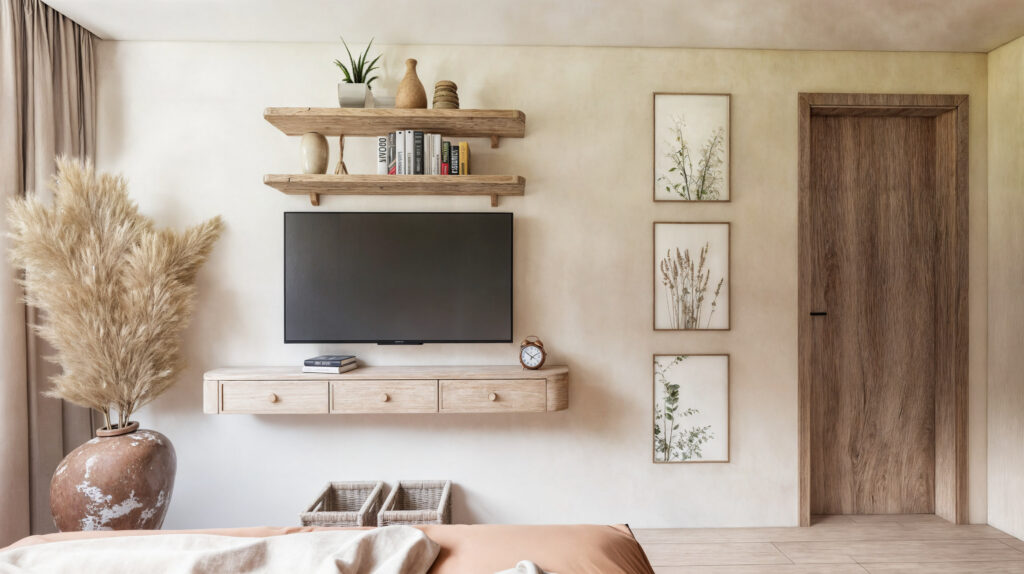
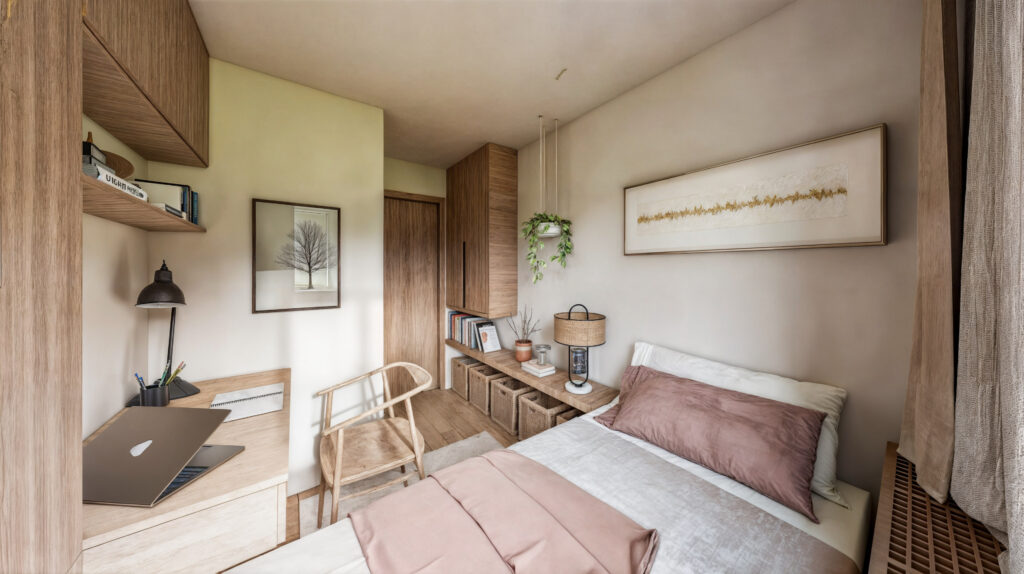
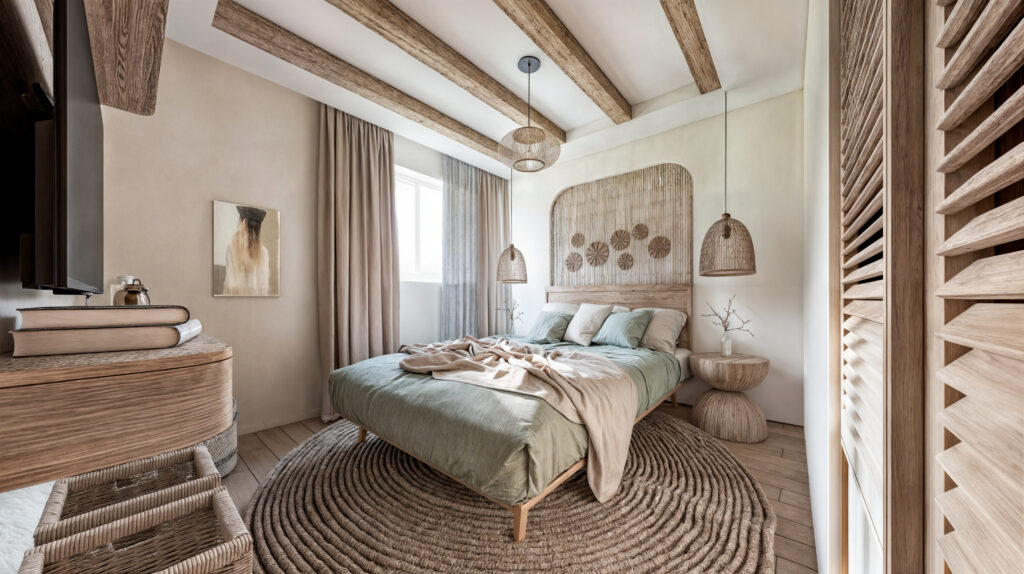
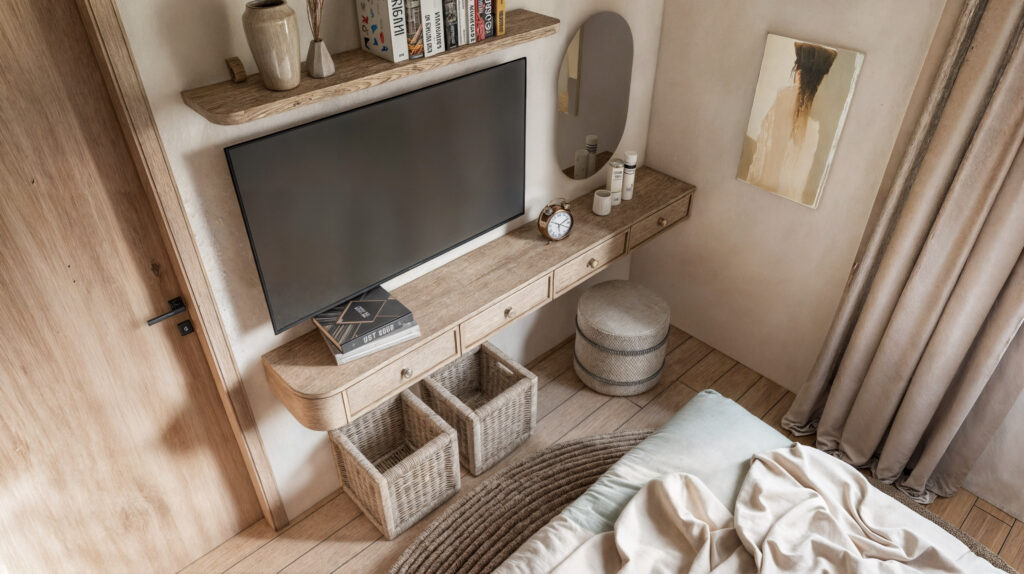
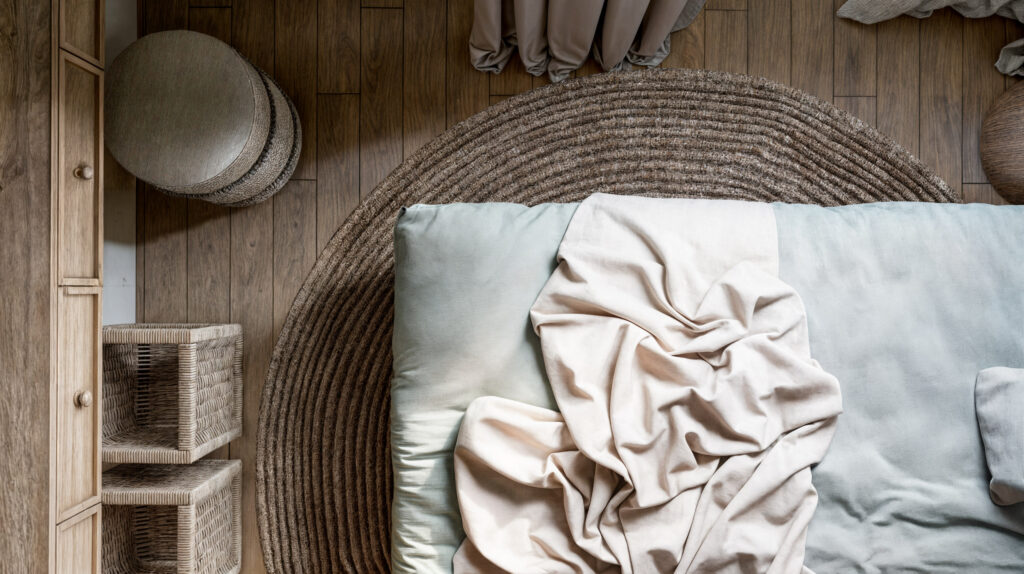
The upper floor is designed as a night zone where privacy and serenity are prioritized. The rational layout followed in the master and children’s bedrooms transforms every centimeter of the limited volume into functional data. A soft color palette, hand-woven textures, and rounded furniture selections create a timeless and peaceful composition in the bedrooms. This project in the heart of London blends aesthetic simplicity with functional discipline, revealing the comfort potential of compact architecture.